Smart home automation refers to the integration of Internet-connected devices that facilitate remote management and monitoring of household systems and appliances. This technology has evolved significantly over the past decade, transitioning from basic automated systems to highly sophisticated setups that enhance efficiency, convenience, and security. Homeowners now have the ability to control lighting, heating, security, and various other devices through smartphones, tablets, or voice commands, fundamentally transforming the way we interact with our living spaces.
One of the key developments in smart home technology is the connectivity enabled by the Internet of Things (IoT). This connectivity allows devices to communicate with one another, gathering and sharing information that leads to optimized performance. For example, smart thermostats can learn user preferences over time, automatically adjusting temperature settings based on occupancy patterns. Similarly, smart security systems can provide real-time alerts and allow remote monitoring, thus enhancing the safety of homes. These advancements demonstrate how smart devices not only improve our daily routines but also contribute to energy savings and overall well-being.
The significance of smart home automation can be seen in the growing adoption rates worldwide. As technology becomes increasingly integrated into our lives, homeowners are seeking out these innovations to streamline tasks, create more comfortable living environments, and enhance security measures. In 2025, it is expected that the range of smart home devices will continue to expand, introducing even more sophisticated solutions tailored to unique needs and lifestyles.
As we prepare to explore the top ten smart home devices projected to lead the market in 2025, it is essential to remain aware of the latest trends and innovations in this sector. Understanding the transformative potential of smart home automation can empower consumers to make informed choices and fully leverage the conveniences these technologies offer in modern living.
Criteria for Selecting Smart Home Devices
As the market for smart home devices grows, it becomes essential for consumers to understand the key criteria that can guide them in selecting the most suitable options for their homes. Evaluating different smart home devices requires careful consideration of several factors, crucially including compatibility, user-friendliness, energy efficiency, security features, and overall value for money.
Firstly, compatibility with existing home systems is paramount. A device should seamlessly integrate with your current setup, whether it be lighting systems, HVAC units, or security systems. This will not only enhance functionality but also simplify operations. Always check if the chosen device supports common platforms such as Google Home, Amazon Alexa, or Apple HomeKit. Devices that are compatible offer far-reaching benefits, making them easier to manage from a single app.
User-friendliness is another vital characteristic. An intuitive interface and straightforward installation process can significantly enhance the user experience. Potential buyers should seek products with favorable reviews regarding ease of use. Smart devices should simplify day-to-day routines rather than complicate them.
Energy efficiency is increasingly a primary concern among consumers. Smart home devices often provide automation that can lead to reduced energy consumption, thus saving money on utility bills. Look for devices that have energy-efficient ratings, as they not only lower costs but also contribute to environmental sustainability.
Security features should not be overlooked when selecting smart home devices. Given the increasing emphasis on data privacy and security, devices equipped with robust security protocols, regular software updates, and encrypted connections are preferred. This ensures that your personal information remains secure while using the device.
Finally, consider overall value for money. Weighing the price against the device’s features, durability, and performance can help in determining whether it is a wise investment. By focusing on these criteria, consumers will be better positioned to choose smart home devices that effectively enhance their living environment.
Top 10 Smart Home Devices for 2025
As we move into 2025, the landscape of home automation is evolving rapidly, driven by advancements in technology and consumer demand for convenience, security, and energy efficiency. Below is a list of the top 10 smart home devices anticipated to gain significant traction this year.
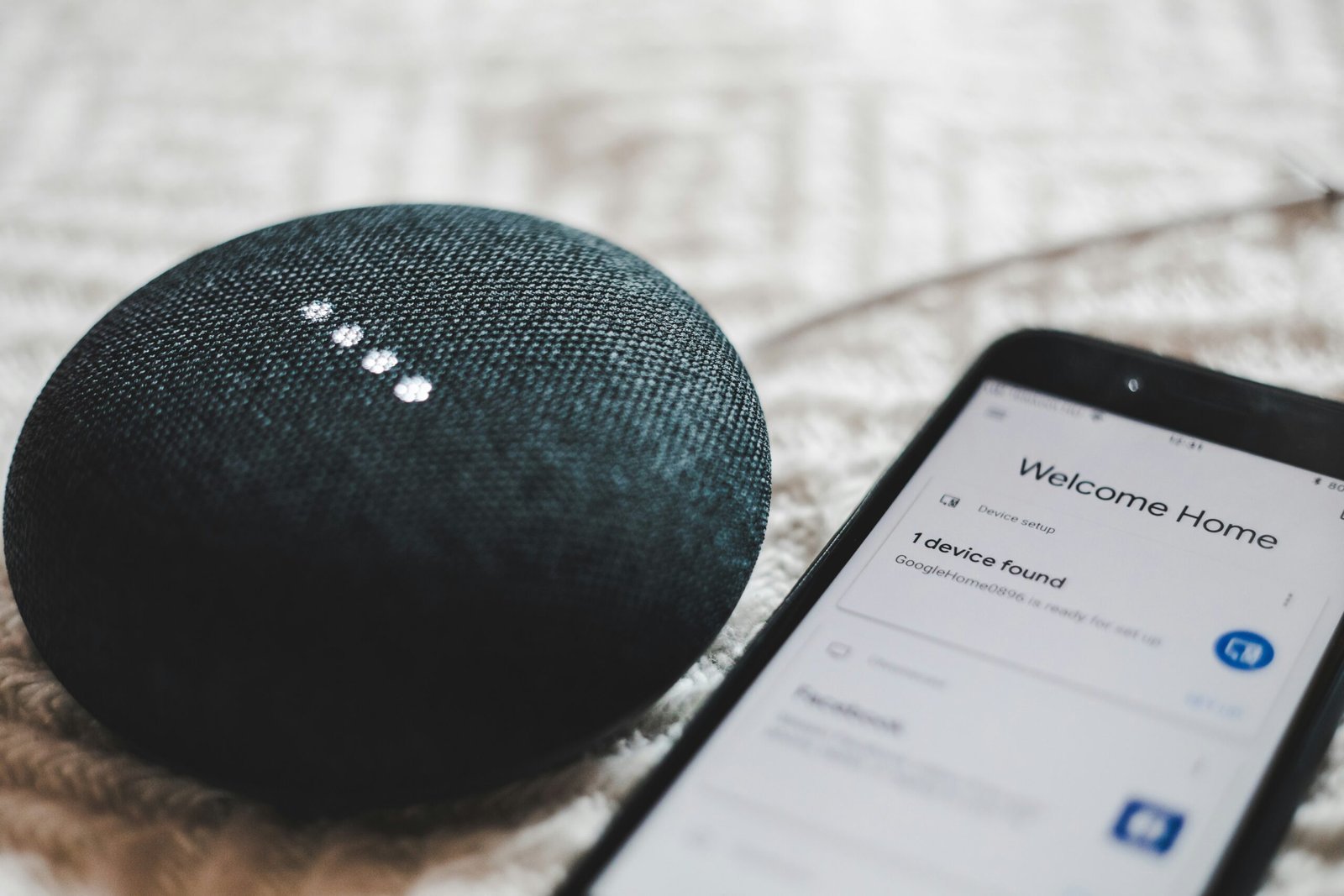
1. Smart Speakers: Devices like the Amazon Echo and Google Nest Audio continue to lead the market. These speakers not only play music but also serve as central hubs for smart home control, allowing users to manage other devices using voice commands.
2. Smart Thermostats: The Nest Learning Thermostat and Ecobee SmartThermostat are at the forefront of climate control. These devices learn users’ habits to optimize heating and cooling, significantly reducing energy bills while ensuring comfort.
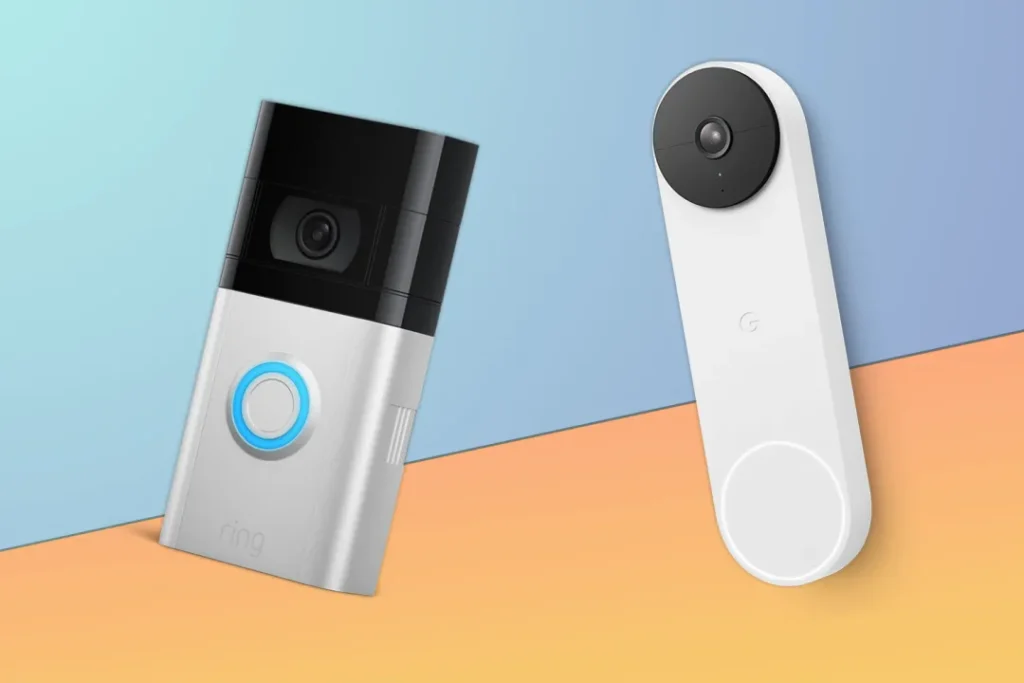
3. Home Security Systems: Products such as Ring and Arlo provide comprehensive security solutions. With features like motion detection, Ring alerts users to potential intrusions, while Arlo offers detailed video surveillance accessible via smartphone apps.
4. Smart Lighting Solutions: Philips Hue and LIFX smart bulbs enable users to customize their lighting preferences through smartphone connectivity. Their compatibility with voice assistants allows for hands-free control and energy-efficient lighting.
5. Smart Plugs: Devices like TP-Link Kasa and Wemo Smart Plug simplify home automation by allowing users to control appliances remotely. These plugs can schedule and monitor energy usage, aiding in efficient power management.
6. Smart Locks: August Smart Lock and Yale Assure Lock provide keyless entry options and enhanced home security. Users can lock and unlock their doors via smartphone apps, offering convenience without compromising safety.
7. Smart Cameras: Indoor and outdoor cameras from Blink and Wyze deliver real-time surveillance capabilities. Their cloud services allow users to store and access footage remotely for added peace of mind.
8. Smart Appliances: Companies like Samsung and LG are integrating smart technology into refrigerators and ovens. These appliances can provide notifications, monitor food inventories, and even suggest recipes based on available ingredients.
9. Smart Smoke Detectors: Devices such as Nest Protect alert users to smoke and carbon monoxide, offering smartphone notifications and self-testing capabilities to ensure safety at home.
10. Home Automation Hubs: SmartThings and Hubitat are pivotal in unifying various devices under a single platform. These hubs simplify control and enhance interoperability among a diverse range of smart products.
This comprehensive overview reveals the most cutting-edge technologies in home automation, providing potential buyers with insights into which devices can best enrich their living environments in 2025.
Implementation and Future Trends in Home Automation
Implementing smart home devices effectively requires careful planning and a structured approach. The first step in creating a cohesive smart home system is to assess your specific needs and the compatible devices available in the market. Consider factors such as connectivity options (Wi-Fi, Zigbee, Z-Wave), compatibility with existing systems, and the types of smart devices required, including lighting, temperature control, security, and entertainment systems.
Once you’ve established your requirements, the next step is the installation of the devices. Most smart devices come with user-friendly guidelines. Begin with the primary devices, such as a smart hub, which serves as the central control for all your smart devices, ensuring seamless communication between them. After setting up the hub, proceed to install others like smart thermostats and lights, following the manufacturer instructions for mounting, wiring, and connection. Testing each component during the installation process helps to troubleshoot any issues early.
Configuration involves connecting your devices to your home Wi-Fi network and setting them up through respective applications available on smartphones or tablets. Often, this process includes creating user accounts, setting preferences and automation rules, and establishing voice control via smart assistants like Alexa or Google Assistant. Integrating these devices enables you to manage them from a single interface, enhancing the overall smart living experience.
Looking toward the future, advancements in artificial intelligence (AI) are expected to revolutionize home automation by enabling a higher level of personalization and predictive behavior in smart devices. Furthermore, sustainability will become a significant trend in home automation, with devices designed to reduce energy consumption and promote eco-friendliness becoming increasingly popular. As technology evolves, staying informed about these trends will enable homeowners to not only successfully implement current devices but also adapt to future innovations in smart living.